Stay up to date! Important messages and announcements will appear here

Close
×
Hunstville Pet Clinic

Call Us Today

(936) 295-8106

Open mobile navigation
  • Home
  • About Us
    • Services
    • Meet our team
    • Petly Pet Portal
  • Shop Online
  • Clinic Policies
    • Appointment Policy
    • Payment Options
    • Outside/Online Pharmacies & Prescription Policy
  • Patient Center
    • What to Expect
  • Discharge / Home Care Instructions
    • Home Care Instructions after Spay
    • Home Care Instructions after Neuter
    • Home Care Instructions for Dental/Oral Procedures
    • Discharge Instructions for Diabetic Pets
  • Online Forms
  • Petsimonials
  • Memorials
    • Submit Your Pet Memorial
  • Contact Us
  • Employment
  • Helpful Links
  • Veterinary Topics
  • Home >
  • Articles >
  • Living With Your Pet >
  • Providing Care >
  • First Aid

First Aid

  • Created in Living With Your Pet, Providing Care
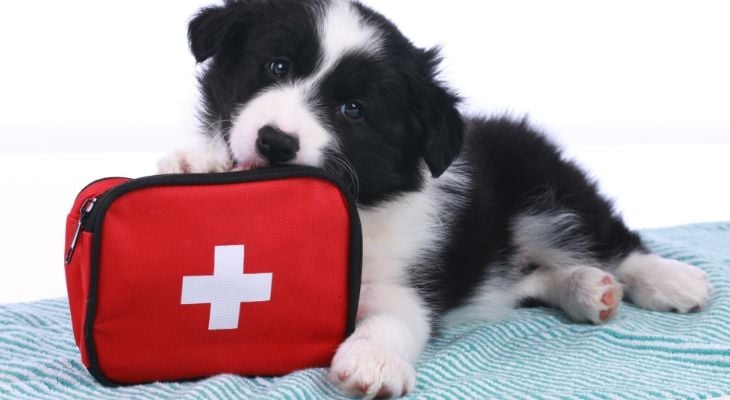
dog with first aid bag
Never leave dangerous objects like pins, needles, or fish hooks within reach. Keep poisonous products and materials far from your pet's reach as you would with a child.

Of course, before an emergency ever arises, it's a good idea to learn all you can about first aid techniques and pet health care. Never leave dangerous objects like pins, needles, or fish hooks within reach. Keep poisonous products and materials far from your pet's reach as you would with a child. Be well aware of your pet's normal behavior, so you can recognize what's not normal. Remember that the objective is to relieve suffering . . . perhaps even to save a life. Emergency first aid is most effective when rendered quickly, but calmly.

A sick or injured animal is often in a frightened state, so if emergency first aid is necessary protect yourself (even if it's your own pet); cats can be handled with gloves or wrapped in a blanket - a dog can be muzzled. If there's any question of seriousness, keep our phone number handy with other emergency phone numbers.

Family pets (and all animals) risk all kinds of poisoning from all kinds of places. Snakes can poison; some plants can poison; and hundreds of poisonous materials are used around the home by people every day - things like pesticides, weed killers, lawn sprays, acids, fertilizers, paints . . . the list is endless.

Here's what you can do if your pet is poisoned:

* Keep your pet warm and quiet
* Try to determine what the poison was, when it was ingested, and the amount swallowed
* Immediately call us and/or your nearest poison control center

When you bring your pet to see us, bring the container (or the label) with you. Most of the time poisoning is accidental. Keep poisonous materials out of reach, know what your pet is doing at all times, and keep emergency telephone numbers handy.

  • Pet Health
    • Chronic Conditions
    • Digestive and Oral Health
    • Diseases and Viruses
    • Pests and Parasites
    • Orthopedics
  • Today's Veterinarian
  • Choosing Your Pet
    • Finding Your Pet
    • Cats
    • Dogs
    • Exotics
      • Amphibians
      • Birds
      • Reptiles
        • Lizards
        • Turtles
    • Small Mammals
      • Ferrets
      • Rabbits
      • Domesticated Animals
        • Prairie Dogs
      • Pocket Pets
        • Chinchillas
        • Guinea Pigs
        • Hamsters
        • Hedgehogs
        • Rats
    • Livestock
      • Cows
      • Donkeys, Horses & Mules
      • Goats
      • Pigs
      • Poultry
      • Sheep
  • Living With Your Pet
    • Bringing Your Pet Home
    • Children and Pets
    • Providing Care
    • Travel
    • Saying Goodbye
  • Newsletter Library
    • Cats
    • Tips for Pet Owners
    • Behavior & Training
    • Fleas & Parasites
    • Keeping Pets Healthy
    • Recognizing Illness
    • Nutrition & Food
    • Pet Dangers
    • Seasonal Topics
    • Visiting the Vet
    • Equine
    • Newsletter Archive
      • Fun with Pets
      • Unbelievable Pets
  • Video Newsroom
    • Health Topics
    • Technology and Science
    • Other Interests
  • Newsletter Library
  • Client Survey
  • Pets4Kids

Contact Us

We look forward to hearing from you

Error!

    • Services

      We strive to provide complete care for our patients. Learn more about all the services we provide.
      Learn More
    • Make An Appointment

      We will do our best to accommodate your busy schedule. Schedule an appointment today!
      Schedule Now
    • Online Forms

      Our patient forms are available online so they can be completed in the convenience of your own home or office.
      Learn More

    Office Hours

    Our Regular Schedule

    Monday:

    7:30 am-5:00 pm

    Tuesday:

    7:30 am-5:00 pm

    Wednesday:

    7:30 am-5:00 pm

    Thursday:

    7:30 am-5:00 pm

    Friday:

    7:30 am-5:00 pm

    Saturday:

    8:00 am-12:00 pm

    Sunday:

    Closed

    Location

    Find us on the map

    Testimonials

    Read What Our Clients Say

    • "Wow! Thanks to all the staff at Huntsville Pet Clinic. I feel like you all truly love what you do! My kitty, Lola and I always have such a pleasant experience when we come in. Fortunately, it’s usually just for a check-up, but I would not leave Lola in anyone else’s hands but yours. Thank you for your caring commitment!"
      Maya S.
    • "I have benefited tremendously from the care my pet received from Dr. DuVall."
      John D.

    Featured Articles

    • March Newsletter: How to Keep Your Cat Safe When Outdoors

      Wondering how your cat can safely spend time outdoors? ...

      Read More
    • March Newsletter: How to Choose Safe Blankets for Pets

      Do you know how to pick a safe blanket for your pet? ...

      Read More
    • February Newsletter: How to Reduce Dental Anxiety in Pets

      Does your pet hate toothbrushing? These tips could reduce dental anxiety. ...

      Read More
    • February Newsletter: How to Safely Change Your Cat’s Food

      Buying a new food for your cat? Find out how to switch foods safely. ...

      Read More
    • January Newsletter: Signs Your Pet Needs a Wellness Exam

      Does your pet need a wellness exam? ...

      Read More
    • January Newsletter: How Your Veterinarian Can Help If Your Pet Ingests Something Toxic

      Has your pet eaten something it shouldn't have? Find out how your vet can help. ...

      Read More
    • December Newsletter: Signs Your Pet Needs a Professional Cleaning

      Do you know when your pet needs a professional cleaning? ...

      Read More
    • December Newsletter: Simple Ways to Keep Your Home Flea-Free for Your Pet’s Well-being

      Never want to see another flea again? Try these tips for a flea-free home. ...

      Read More
    • November Newsletter: The Importance of Bloodwork for Your Pet’s Health

      Wondering if your pet really needs bloodwork? Find out the benefits of blood tests for your furry friend. ...

      Read More
    • November Newsletter: Turkey Day Tips for Pet Owners

      Don't forget about your pet when making Turkey Day preparations. ...

      Read More

    Newsletter Signup

    Sign up for more articles

    Error!

      • Copyright © 2026 MH Sub I, LLC dba iMatrix.
      • Admin Log In