Stay up to date! Important messages and announcements will appear here

Close
×
Hunstville Pet Clinic

Call Us Today

(936) 295-8106

Open mobile navigation
  • Home
  • About Us
    • Services
    • Meet our team
    • Petly Pet Portal
  • Shop Online
  • Clinic Policies
    • Appointment Policy
    • Payment Options
    • Outside/Online Pharmacies & Prescription Policy
  • Patient Center
    • What to Expect
  • Discharge / Home Care Instructions
    • Home Care Instructions after Spay
    • Home Care Instructions after Neuter
    • Home Care Instructions for Dental/Oral Procedures
    • Discharge Instructions for Diabetic Pets
  • Online Forms
  • Petsimonials
  • Memorials
    • Submit Your Pet Memorial
  • Contact Us
  • Employment
  • Helpful Links
  • Veterinary Topics
  • Home >
  • Articles >
  • Video Newsroom >
  • Technology and Science >
  • Fresh Breath and Straight Teeth

Fresh Breath and Straight Teeth

  • Created in Video Newsroom, Technology and Science
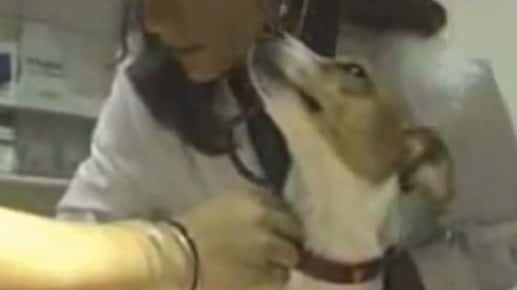
Image of dog being held by a veterinarian.

Although many of us dread it, we visit our dentist routinely to insure our mouth stays healthy and our smile bright. Our pets also benefit from a visit to their dentist and advanced dental care is quickly becoming more common. That's right…braces for Boxers, crowns for kitties and a root canal for a Rottweiler is just a typical day at the Veterinary Dentist!

When we go to the dentist, we are not surprised when the doctor tells us that we need to have dental x-rays done. But, hearing the same thing from your veterinarian might shock you. After all, how does the pet know to stand still?

Digital dental x-rays are becoming more common at veterinary practices across the country. Since a large percentage of our pets suffer from gingivitis or even more advanced periodontal disease, this tool is vital for veterinarians and veterinary dentists.

Most people don't realize it, but most of the pet's tooth lies under the gumline where you can't see any disease. Dr. Jan Bellows, a Diplomate in the American Veterinary Dental College explains, "Sixty percent of the tooth lies under the gum line. Since companion animals don't talk (to tell us where the pain is), x-rays help the veterinarian see what's below."

Dr. Brett Beckman, past President of the American Veterinary Dental Society concurs. "42% of cats and 28% of dogs have hidden dental problems that we would never find without x-rays." So, while you might think that your pet's teeth are just fine, the odds are that he or she is actually losing bone and other important structures that help hold the tooth in place. The best way to determine this is the use of x-rays, done while the pet is under a general anesthetic.

Beyond checking for disease, dental x-rays are also important when it comes to breed specific issues. Many toy breeds end up with crowded teeth or even adult teeth that never erupt above the gumline. Boxers, Bulldogs and other short faced breeds also suffer from conformation issues that misalign teeth.

Finally, dental issues can hinder, or even end the careers of working and show dogs. X-rays can help veterinary dentists find the fractured tooth of a working police dog or locate a tooth that has delayed erupting in a show dog.

Thankfully, your veterinary dentist is also equipped to help resolve many of these issues. Fractured teeth can be repaired with the use of crowns and root canals are often replacing extractions. As Dr. Kenneth Lee, a veterinary dentist in Colorado explains, "Dog's canine teeth extend well below the gumline and often are closely associated with the jaw bone. Extracting these teeth has the potential for causing serious damage to the jaws."

For conformation issues and hereditary problems, corrective oral surgery and even braces are now available. It's even possible to help offset the damage of severe dental disease.

Understanding the importance of your pet's dental health is a great first step for most pet owners. Your pet doesn't have to suffer from dental disease and you don't have to tolerate "doggy breath". Making a dental plan with your veterinarian will not only prevent dental disease, but may stop other health problems as well.

The first step is to have your veterinarian do a complete oral exam on your pet. Note any areas of excessive tartar build-up and any other concerns, such as fractured teeth, bleeding gums or ulcerations in the mouth.

Next, if appropriate, schedule a complete dental cleaning with your veterinarian. Done under a general anesthetic, cleaning will remove the tartar and plaque, reducing bacteria that cause serious illnesses, such as heart disease. Using digital x-rays allows the veterinarian to see under the gumline, a crucial step in preventing future dental problems.

After the cleaning, your veterinarian may apply a barrier sealant to help repel plaque-causing bacteria. This high tech - low cost - sealant gel is easy to continue at home and will help prevent further build up of plaque and tartar.

Home care is a vital part of maintaining your pet's dental health. From routine brushing to special water additives, chew toys and even a barrier sealant like OraVet, your veterinarian can help make caring for your pet's teeth easier. Some foods are even designed to help remove plaque build-up! The best news? These products not only remove plaque and freshen breath, they just might help your pet live a few years longer.

  • Pet Health
    • Chronic Conditions
    • Digestive and Oral Health
    • Diseases and Viruses
    • Pests and Parasites
    • Orthopedics
  • Today's Veterinarian
  • Choosing Your Pet
    • Finding Your Pet
    • Cats
    • Dogs
    • Exotics
      • Amphibians
      • Birds
      • Reptiles
        • Lizards
        • Turtles
    • Small Mammals
      • Ferrets
      • Rabbits
      • Domesticated Animals
        • Prairie Dogs
      • Pocket Pets
        • Chinchillas
        • Guinea Pigs
        • Hamsters
        • Hedgehogs
        • Rats
    • Livestock
      • Cows
      • Donkeys, Horses & Mules
      • Goats
      • Pigs
      • Poultry
      • Sheep
  • Living With Your Pet
    • Bringing Your Pet Home
    • Children and Pets
    • Providing Care
    • Travel
    • Saying Goodbye
  • Newsletter Library
    • Cats
    • Tips for Pet Owners
    • Behavior & Training
    • Fleas & Parasites
    • Keeping Pets Healthy
    • Recognizing Illness
    • Nutrition & Food
    • Pet Dangers
    • Seasonal Topics
    • Visiting the Vet
    • Equine
    • Newsletter Archive
      • Fun with Pets
      • Unbelievable Pets
  • Video Newsroom
    • Health Topics
    • Technology and Science
    • Other Interests
  • Newsletter Library
  • Client Survey
  • Pets4Kids

Contact Us

We look forward to hearing from you

Error!

    • Services

      We strive to provide complete care for our patients. Learn more about all the services we provide.
      Learn More
    • Make An Appointment

      We will do our best to accommodate your busy schedule. Schedule an appointment today!
      Schedule Now
    • Online Forms

      Our patient forms are available online so they can be completed in the convenience of your own home or office.
      Learn More

    Office Hours

    Our Regular Schedule

    Monday:

    7:30 am-5:00 pm

    Tuesday:

    7:30 am-5:00 pm

    Wednesday:

    7:30 am-5:00 pm

    Thursday:

    7:30 am-5:00 pm

    Friday:

    7:30 am-5:00 pm

    Saturday:

    8:00 am-12:00 pm

    Sunday:

    Closed

    Location

    Find us on the map

    Testimonials

    Read What Our Clients Say

    • "Wow! Thanks to all the staff at Huntsville Pet Clinic. I feel like you all truly love what you do! My kitty, Lola and I always have such a pleasant experience when we come in. Fortunately, it’s usually just for a check-up, but I would not leave Lola in anyone else’s hands but yours. Thank you for your caring commitment!"
      Maya S.
    • "I have benefited tremendously from the care my pet received from Dr. DuVall."
      John D.

    Featured Articles

    • March Newsletter: How to Keep Your Cat Safe When Outdoors

      Wondering how your cat can safely spend time outdoors? ...

      Read More
    • March Newsletter: How to Choose Safe Blankets for Pets

      Do you know how to pick a safe blanket for your pet? ...

      Read More
    • February Newsletter: How to Reduce Dental Anxiety in Pets

      Does your pet hate toothbrushing? These tips could reduce dental anxiety. ...

      Read More
    • February Newsletter: How to Safely Change Your Cat’s Food

      Buying a new food for your cat? Find out how to switch foods safely. ...

      Read More
    • January Newsletter: Signs Your Pet Needs a Wellness Exam

      Does your pet need a wellness exam? ...

      Read More
    • January Newsletter: How Your Veterinarian Can Help If Your Pet Ingests Something Toxic

      Has your pet eaten something it shouldn't have? Find out how your vet can help. ...

      Read More
    • December Newsletter: Signs Your Pet Needs a Professional Cleaning

      Do you know when your pet needs a professional cleaning? ...

      Read More
    • December Newsletter: Simple Ways to Keep Your Home Flea-Free for Your Pet’s Well-being

      Never want to see another flea again? Try these tips for a flea-free home. ...

      Read More
    • November Newsletter: The Importance of Bloodwork for Your Pet’s Health

      Wondering if your pet really needs bloodwork? Find out the benefits of blood tests for your furry friend. ...

      Read More
    • November Newsletter: Turkey Day Tips for Pet Owners

      Don't forget about your pet when making Turkey Day preparations. ...

      Read More

    Newsletter Signup

    Sign up for more articles

    Error!

      • Copyright © 2026 MH Sub I, LLC dba iMatrix.
      • Admin Log In