Stay up to date! Important messages and announcements will appear here

Close
×
Hunstville Pet Clinic

Call Us Today

(936) 295-8106

Open mobile navigation
  • Home
  • About Us
    • Services
    • Meet our team
    • Petly Pet Portal
  • Shop Online
  • Clinic Policies
    • Appointment Policy
    • Payment Options
    • Outside/Online Pharmacies & Prescription Policy
  • Patient Center
    • What to Expect
  • Discharge / Home Care Instructions
    • Home Care Instructions after Spay
    • Home Care Instructions after Neuter
    • Home Care Instructions for Dental/Oral Procedures
    • Discharge Instructions for Diabetic Pets
  • Online Forms
  • Petsimonials
  • Memorials
    • Submit Your Pet Memorial
  • Contact Us
  • Employment
  • Helpful Links
  • Veterinary Topics
  • Home >
  • Articles >
  • Video Newsroom >
  • Health Topics >
  • Senior Pets

Senior Pets

  • Created in Video Newsroom, Health Topics
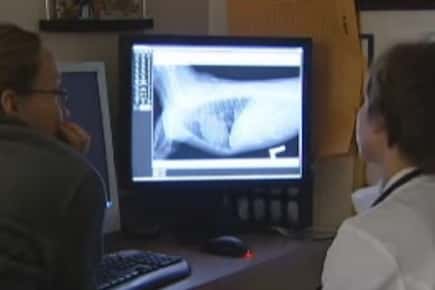
Image of veterinarians looking at dog x-rays.

Pets are living longer thanks to advances in veterinary care, diagnostics, and earlier intervention. But the key to enjoying our "senior" pets lies not only in extending their life span, but in helping them enjoy their later years to the fullest.

Like people, dogs and cats are prone to debilitating ailments as they age. Kidney failure, heart disease, arthritis, dental disease, cancer, and cognitive dysfunction can occur during the normal aging process. In the past, because many diseases weren't diagnosed until advanced stages, veterinarians could do little more than make a pet's golden years a little more comfortable by treating the symptoms of age-related illness. If the pet was lucky, the problems would progress slowly. Most pet owners just accepted the fact that their four-legged friends were just going to live a relatively short life, get old, and pass on.

But thanks to technical advancements in modern veterinary medicine, surgery, diagnostics and nutrition, not only do pets live longer but their quality of life has increased dramatically as well.

One example follows human medicine in the development and use of the new generation of non-steroid anti-inflammatory drugs. These drugs help the aches and pains of many senior pets while keeping side effects to a minimum.

Many age related problems are still seen as inevitable, but the attitudes of both veterinarians and pet owners have changed. The belief now is that "age is not a disease", and veterinary medicine is putting increased emphasis on senior pet health through preventative wellness programs.

In general, some early warning signs that your pet may be having a problem are:

  • Increased thirst and urination
  • Loss of bladder control or breaking house training
  • Repeated vomiting
  • Bad breath, drooling or changes in appetite
  • Excessive panting or exercise intolerance
  • Lumps or changes in areas of skin color
  • Change in appetite - eating more or less than usual
  • Changes in behavior such as "spacing out" or excessive whining
  • Unusual bowel habits - diarrhea or constipation
  • Changes in body weight - gaining or losing weight

Watch pets closely and report any unusual behavioral or physical problems to your veterinarian immediately. Work with your veterinarian and develop a specific senior wellness program for your pet's individual needs so that your special friend can enjoy aging gracefully.

  • Pet Health
    • Chronic Conditions
    • Digestive and Oral Health
    • Diseases and Viruses
    • Pests and Parasites
    • Orthopedics
  • Today's Veterinarian
  • Choosing Your Pet
    • Finding Your Pet
    • Cats
    • Dogs
    • Exotics
      • Amphibians
      • Birds
      • Reptiles
        • Lizards
        • Turtles
    • Small Mammals
      • Ferrets
      • Rabbits
      • Domesticated Animals
        • Prairie Dogs
      • Pocket Pets
        • Chinchillas
        • Guinea Pigs
        • Hamsters
        • Hedgehogs
        • Rats
    • Livestock
      • Cows
      • Donkeys, Horses & Mules
      • Goats
      • Pigs
      • Poultry
      • Sheep
  • Living With Your Pet
    • Bringing Your Pet Home
    • Children and Pets
    • Providing Care
    • Travel
    • Saying Goodbye
  • Newsletter Library
    • Cats
    • Tips for Pet Owners
    • Behavior & Training
    • Fleas & Parasites
    • Keeping Pets Healthy
    • Recognizing Illness
    • Nutrition & Food
    • Pet Dangers
    • Seasonal Topics
    • Visiting the Vet
    • Equine
    • Newsletter Archive
      • Fun with Pets
      • Unbelievable Pets
  • Video Newsroom
    • Health Topics
    • Technology and Science
    • Other Interests
  • Newsletter Library
  • Client Survey
  • Pets4Kids

Contact Us

We look forward to hearing from you

Error!

    • Services

      We strive to provide complete care for our patients. Learn more about all the services we provide.
      Learn More
    • Make An Appointment

      We will do our best to accommodate your busy schedule. Schedule an appointment today!
      Schedule Now
    • Online Forms

      Our patient forms are available online so they can be completed in the convenience of your own home or office.
      Learn More

    Office Hours

    Our Regular Schedule

    Monday:

    7:30 am-5:00 pm

    Tuesday:

    7:30 am-5:00 pm

    Wednesday:

    7:30 am-5:00 pm

    Thursday:

    7:30 am-5:00 pm

    Friday:

    7:30 am-5:00 pm

    Saturday:

    8:00 am-12:00 pm

    Sunday:

    Closed

    Location

    Find us on the map

    Testimonials

    Read What Our Clients Say

    • "Wow! Thanks to all the staff at Huntsville Pet Clinic. I feel like you all truly love what you do! My kitty, Lola and I always have such a pleasant experience when we come in. Fortunately, it’s usually just for a check-up, but I would not leave Lola in anyone else’s hands but yours. Thank you for your caring commitment!"
      Maya S.
    • "I have benefited tremendously from the care my pet received from Dr. DuVall."
      John D.

    Featured Articles

    • March Newsletter: How to Keep Your Cat Safe When Outdoors

      Wondering how your cat can safely spend time outdoors? ...

      Read More
    • March Newsletter: How to Choose Safe Blankets for Pets

      Do you know how to pick a safe blanket for your pet? ...

      Read More
    • February Newsletter: How to Reduce Dental Anxiety in Pets

      Does your pet hate toothbrushing? These tips could reduce dental anxiety. ...

      Read More
    • February Newsletter: How to Safely Change Your Cat’s Food

      Buying a new food for your cat? Find out how to switch foods safely. ...

      Read More
    • January Newsletter: Signs Your Pet Needs a Wellness Exam

      Does your pet need a wellness exam? ...

      Read More
    • January Newsletter: How Your Veterinarian Can Help If Your Pet Ingests Something Toxic

      Has your pet eaten something it shouldn't have? Find out how your vet can help. ...

      Read More
    • December Newsletter: Signs Your Pet Needs a Professional Cleaning

      Do you know when your pet needs a professional cleaning? ...

      Read More
    • December Newsletter: Simple Ways to Keep Your Home Flea-Free for Your Pet’s Well-being

      Never want to see another flea again? Try these tips for a flea-free home. ...

      Read More
    • November Newsletter: The Importance of Bloodwork for Your Pet’s Health

      Wondering if your pet really needs bloodwork? Find out the benefits of blood tests for your furry friend. ...

      Read More
    • November Newsletter: Turkey Day Tips for Pet Owners

      Don't forget about your pet when making Turkey Day preparations. ...

      Read More

    Newsletter Signup

    Sign up for more articles

    Error!

      • Copyright © 2026 MH Sub I, LLC dba iMatrix.
      • Admin Log In