Stay up to date! Important messages and announcements will appear here

Close
×
Hunstville Pet Clinic

Call Us Today

(936) 295-8106

Open mobile navigation
  • Home
  • About Us
    • Services
    • Meet our team
    • Petly Pet Portal
  • Shop Online
  • Clinic Policies
    • Appointment Policy
    • Payment Options
    • Outside/Online Pharmacies & Prescription Policy
  • Patient Center
    • What to Expect
  • Discharge / Home Care Instructions
    • Home Care Instructions after Spay
    • Home Care Instructions after Neuter
    • Home Care Instructions for Dental/Oral Procedures
    • Discharge Instructions for Diabetic Pets
  • Online Forms
  • Petsimonials
  • Memorials
    • Submit Your Pet Memorial
  • Contact Us
  • Employment
  • Helpful Links
  • Veterinary Topics
  • Home >
  • Articles >
  • Newsletter Library >
  • Nutrition & Food >
  • Fitting Fiber into Fido's Food Bowl

Fitting Fiber into Fido's Food Bowl

  • Created in Newsletter Library, Nutrition & Food
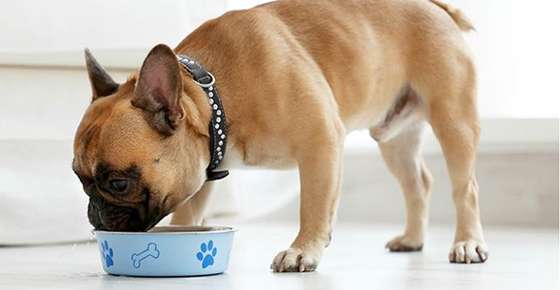
Image of a French bulldog eating.

Fiber is important because it helps dogs feel full, supports natural, healthy digestion and aids in moving material through their digestive tract. Is there fiber in your pet's food bowl with each meal? Does your pet need fiber, or more fiber? Grains like wheat, barley, corn and rice contribute small amounts of fiber to pet foods. Pets require adequate amounts of fiber in their foods.

What Should I Feed My Dog by veterinarian Ron Hines, discusses the importance of supplying fiber for your pet during feeding. "The diet of normal adult dogs should contain between 2.5 and 4.5 percent fiber. However, the fiber content of some "diet" dog foods is between nine and 10 percent. This may allow the dog to feel full without consuming too many calories for effective weight control. Diets high in fiber also help in the management of blood sugar (hyperglycemia) and the prevention of such disorders as intestinal diverticulosis and diabetes. Too much fiber in your pet's diet can interfere with the digestion of other important nutrients in the food and result in loose stools, frequent defecation, and reduced palatability of the dog food."

As a whole, dogs eat less frequently than cats and they also usually eat larger meals. Feeding adult dogs twice or once daily can be alright, but remember that pups require feeding often. Dogs in homes with free-feeding practices should be fine if the dog is not gaining weight. Ask your veterinarian at each visit about your free-feeding pet's weight to be sure it's on track, healthy and providing them the best health benefits. "What and when you feed your dog early in life will shape its preferences when it is older. This applies to time of day, odor, texture, taste and meal temperature," advises Dr. Hines.

James Glover's Sources of Dietary Fiber for Dogs suggests that fiber be introduced gradually to avoid any tummy troubles that could result from adding large quantities of bulk quickly. He suggests replacing some your current regular food with carrot, pear, banana, non-spicy pepper or high-quality bran. Glover notes that owners must be alert to the fact that everyday foods like onions, raisins, fruit pith and grapes can be "highly toxic" to dogs.

As Dr. Hines suggests, avoid adding too much fiber too fast. You may add in a one-inch chopped slice of apple or pear, cooked sweet potato, cooked yam or baked turnip to the food bowl, after several such meals, add in a chopped two-inch slice of the above. Remember that you can mix and match the fiber sources you feed your pet after its tummy has become accustomed to receiving more fiber each day.

Keep in mind that you don't want your pet to experience loose bowel movements, watery stool or diarrhea. What you do want is for the stool to be firm, moist and have good shape. When your dog has the proper amount of fiber, you'll notice that the pooch doesn't strain while leaving a "present" in your backyard. Bowel evacuation will be natural, pleasant and smooth for your pet. It is critical that you always have fresh water available in multiple locations for your dog. Water helps route nutrients through a dog's body, push out toxins and release substances that are no longer needed by your dog's body.

Veterinarian Jan Becker suggests that dog and cat owners be aware of the benefits of both soluble and insoluble fiber in their pet's food diet. Soluble fiber, she suggests, is "mainly for bulk and helps push through such digested particles as hair" ingested during animal grooming. Soluble fiber can increase stool bulk and contributes to preventing that unhappy experience of constipation. Insoluble fiber contributes these - and more. The insoluble fiber you provide for your pet helps maintain the proper balance of natural, healthy bacteria in the digestive tract.

  • Pet Health
    • Chronic Conditions
    • Digestive and Oral Health
    • Diseases and Viruses
    • Pests and Parasites
    • Orthopedics
  • Today's Veterinarian
  • Choosing Your Pet
    • Finding Your Pet
    • Cats
    • Dogs
    • Exotics
      • Amphibians
      • Birds
      • Reptiles
        • Lizards
        • Turtles
    • Small Mammals
      • Ferrets
      • Rabbits
      • Domesticated Animals
        • Prairie Dogs
      • Pocket Pets
        • Chinchillas
        • Guinea Pigs
        • Hamsters
        • Hedgehogs
        • Rats
    • Livestock
      • Cows
      • Donkeys, Horses & Mules
      • Goats
      • Pigs
      • Poultry
      • Sheep
  • Living With Your Pet
    • Bringing Your Pet Home
    • Children and Pets
    • Providing Care
    • Travel
    • Saying Goodbye
  • Newsletter Library
    • Cats
    • Tips for Pet Owners
    • Behavior & Training
    • Fleas & Parasites
    • Keeping Pets Healthy
    • Recognizing Illness
    • Nutrition & Food
    • Pet Dangers
    • Seasonal Topics
    • Visiting the Vet
    • Equine
    • Newsletter Archive
      • Fun with Pets
      • Unbelievable Pets
  • Video Newsroom
    • Health Topics
    • Technology and Science
    • Other Interests
  • Newsletter Library
  • Client Survey
  • Pets4Kids

Contact Us

We look forward to hearing from you

Error!

    • Services

      We strive to provide complete care for our patients. Learn more about all the services we provide.
      Learn More
    • Make An Appointment

      We will do our best to accommodate your busy schedule. Schedule an appointment today!
      Schedule Now
    • Online Forms

      Our patient forms are available online so they can be completed in the convenience of your own home or office.
      Learn More

    Office Hours

    Our Regular Schedule

    Monday:

    7:30 am-5:00 pm

    Tuesday:

    7:30 am-5:00 pm

    Wednesday:

    7:30 am-5:00 pm

    Thursday:

    7:30 am-5:00 pm

    Friday:

    7:30 am-5:00 pm

    Saturday:

    8:00 am-12:00 pm

    Sunday:

    Closed

    Location

    Find us on the map

    Testimonials

    Read What Our Clients Say

    • "Wow! Thanks to all the staff at Huntsville Pet Clinic. I feel like you all truly love what you do! My kitty, Lola and I always have such a pleasant experience when we come in. Fortunately, it’s usually just for a check-up, but I would not leave Lola in anyone else’s hands but yours. Thank you for your caring commitment!"
      Maya S.
    • "I have benefited tremendously from the care my pet received from Dr. DuVall."
      John D.

    Featured Articles

    • March Newsletter: How to Keep Your Cat Safe When Outdoors

      Wondering how your cat can safely spend time outdoors? ...

      Read More
    • March Newsletter: How to Choose Safe Blankets for Pets

      Do you know how to pick a safe blanket for your pet? ...

      Read More
    • February Newsletter: How to Reduce Dental Anxiety in Pets

      Does your pet hate toothbrushing? These tips could reduce dental anxiety. ...

      Read More
    • February Newsletter: How to Safely Change Your Cat’s Food

      Buying a new food for your cat? Find out how to switch foods safely. ...

      Read More
    • January Newsletter: Signs Your Pet Needs a Wellness Exam

      Does your pet need a wellness exam? ...

      Read More
    • January Newsletter: How Your Veterinarian Can Help If Your Pet Ingests Something Toxic

      Has your pet eaten something it shouldn't have? Find out how your vet can help. ...

      Read More
    • December Newsletter: Signs Your Pet Needs a Professional Cleaning

      Do you know when your pet needs a professional cleaning? ...

      Read More
    • December Newsletter: Simple Ways to Keep Your Home Flea-Free for Your Pet’s Well-being

      Never want to see another flea again? Try these tips for a flea-free home. ...

      Read More
    • November Newsletter: The Importance of Bloodwork for Your Pet’s Health

      Wondering if your pet really needs bloodwork? Find out the benefits of blood tests for your furry friend. ...

      Read More
    • November Newsletter: Turkey Day Tips for Pet Owners

      Don't forget about your pet when making Turkey Day preparations. ...

      Read More

    Newsletter Signup

    Sign up for more articles

    Error!

      • Copyright © 2026 MH Sub I, LLC dba iMatrix.
      • Admin Log In