Stay up to date! Important messages and announcements will appear here

Close
×
Hunstville Pet Clinic

Call Us Today

(936) 295-8106

Open mobile navigation
  • Home
  • About Us
    • Services
    • Meet our team
    • Petly Pet Portal
  • Shop Online
  • Clinic Policies
    • Appointment Policy
    • Payment Options
    • Outside/Online Pharmacies & Prescription Policy
  • Patient Center
    • What to Expect
  • Discharge / Home Care Instructions
    • Home Care Instructions after Spay
    • Home Care Instructions after Neuter
    • Home Care Instructions for Dental/Oral Procedures
    • Discharge Instructions for Diabetic Pets
  • Online Forms
  • Petsimonials
  • Memorials
    • Submit Your Pet Memorial
  • Contact Us
  • Employment
  • Helpful Links
  • Veterinary Topics
  • Home >
  • Articles >
  • Newsletter Library >
  • Recognizing Illness >
  • Bloat in Dogs

Bloat in Dogs

  • Created in Newsletter Library, Recognizing Illness
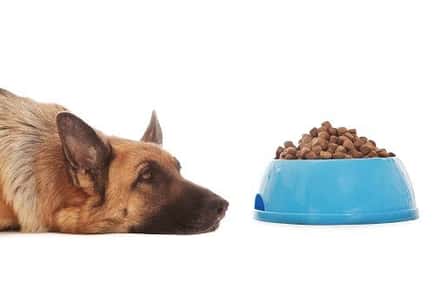
Image of a German Shepherd looking sick next to a bowl of dog food.

Although it's name may sound harmless, bloat is a life-threatening emergency for dogs. The condition, formally called gastric dilation-volvulus (GDV), can quickly kill dogs if they don't receive prompt treatment.

What Is Bloat?

Bloat occurs when your pet's stomach fills with air. In many cases, the stomach then twists, cutting off its blood supply. The condition prevents blood from flowing back to the dog's heart and can cause irreversible damage to the spleen, stomach, pancreas, liver, and other organs. Shock can develop soon after the first signs of bloat appear. Breathing problems also occur as the air-filled stomach presses against the diaphragm. Unfortunately, a dog can die of bloat just a few hours after experiencing the first symptoms.

Which Dogs Get Bloat?

Any dog can develop bloat, although it may be more likely to occur in older dogs and males. Great Danes, Saint Bernards, German shepherds, poodles, retrievers and other large breeds with deep, narrow chests are at increased risk of developing bloat. Swallowing air while eating, a problem that can occur in anxious dogs, may also increase the likelihood of bloat, as can eating a large amount during a meal.

A genetic link may be responsible for some cases of bloat. Veterinarians at Cummings School of Veterinary Medicine at Tufts University are currently conducting a research study to find the gene responsible for the condition. Although bloat may have a genetic component, environment and diet might increase the likelihood that your dog will actually develop the condition. If a gene is identified, a genetic test could be developed to identify dogs at high risk.

What Are the Symptoms of Bloat?

Symptoms of bloat start suddenly and may include:

  • An enlarged stomach
  • Pain in the abdomen
  • Excessive drooling
  • Dry heaving
  • Restlessness
  • Shallow breathing

Symptoms of shock include:

  • Weak pulse
  • Rapid heart rate
  • Pale gums and lips
  • Low body temperature
  • Glazed eyes
  • Dilate pupils
  • Collapse
Your dog must receive veterinary care immediately if you notice any of these symptoms. Waiting until the morning to visit the vet will result in the death of your dog. Minutes count when your furry friend has bloat.

How Is Bloat Treated?

Surgery is used to treat bloat, but it can't be performed until your pet is in stable condition. Before surgery can begin, your pet may receive pain medications, antibiotics and intravenous fluids to treat shock. A tube inserted into esophagus or a large needle placed in the stomach may be used to deflate the stomach and release the trapped air. Bloodwork and other tests may also be performed before surgery.

During surgery, your dog's stomach will be repositioned and sutured to the abdominal wall to prevent it from twisting in the future. Surgery also involves thoroughly examining your pet's stomach and organs for signs of damage due to the blood flow blockage.

Your pet will stay at the animal hospital for several days following surgery. During that time, the veterinary staff will closely monitor him or her for heart problems, infections, pancreas or liver damage, or other conditions associated with bloat.

How can I Reduce My Dog's Risk of Bloat?

Although it's not possible to prevent bloat in every case, there are a few things you can do to reduce your dog's risk, such as:

  • Change Mealtime. Two to three small meals spaced throughout the day are better than one large meal.
  • Limit Water. Wait until an hour after mealtime to offer water.
  • Lower Food and Water Dishes. Swallowing air is less likely to occur when you place food and water dishes on the floor instead of in elevated feeders.
  • Wait to Play Fetch. Don't start a game of fetch, take your dog for a run or allow him or her to participate in any type of exercise for at least an hour after eating.
  • Don't Give in to Begging. Giving your pet samples of the foods you eat can cause gas to build up in the stomach.
  • Discourage Competition. Do your pets wolf down their food in an effort to finish first? The faster they eat, the more likely they are to swallow air. Confining your dogs to different rooms or areas while they eat can help them slow down.

Recognizing the symptoms of bloat and taking steps to reduce your dog's risk can help your pet avoid these devastating condition. Call us today if you're worried that your dog may have bloat or if it's time to schedule your furry friend's next veterinary visit.

Sources:

American Kennel Club: Bloat (or GDV) in Dogs — What It Is and How it’s Treated, 11/3/16

http://www.akc.org/content/health/articles/bloat-in-dogs/

Tufts University: The Genetics of Bloat, Summer 2014

http://sites.tufts.edu/vetmag/summer-2014/the-genetics-of-bloat/

Peteducation.com: Bloat (Gastric Dilation and Volvulus in Dogs)

http://www.peteducation.com/article.cfm?c=2+2090&aid=402

  • Pet Health
    • Chronic Conditions
    • Digestive and Oral Health
    • Diseases and Viruses
    • Pests and Parasites
    • Orthopedics
  • Today's Veterinarian
  • Choosing Your Pet
    • Finding Your Pet
    • Cats
    • Dogs
    • Exotics
      • Amphibians
      • Birds
      • Reptiles
        • Lizards
        • Turtles
    • Small Mammals
      • Ferrets
      • Rabbits
      • Domesticated Animals
        • Prairie Dogs
      • Pocket Pets
        • Chinchillas
        • Guinea Pigs
        • Hamsters
        • Hedgehogs
        • Rats
    • Livestock
      • Cows
      • Donkeys, Horses & Mules
      • Goats
      • Pigs
      • Poultry
      • Sheep
  • Living With Your Pet
    • Bringing Your Pet Home
    • Children and Pets
    • Providing Care
    • Travel
    • Saying Goodbye
  • Newsletter Library
    • Cats
    • Tips for Pet Owners
    • Behavior & Training
    • Fleas & Parasites
    • Keeping Pets Healthy
    • Recognizing Illness
    • Nutrition & Food
    • Pet Dangers
    • Seasonal Topics
    • Visiting the Vet
    • Equine
    • Newsletter Archive
      • Fun with Pets
      • Unbelievable Pets
  • Video Newsroom
    • Health Topics
    • Technology and Science
    • Other Interests
  • Newsletter Library
  • Client Survey
  • Pets4Kids

Contact Us

We look forward to hearing from you

Error!

    • Services

      We strive to provide complete care for our patients. Learn more about all the services we provide.
      Learn More
    • Make An Appointment

      We will do our best to accommodate your busy schedule. Schedule an appointment today!
      Schedule Now
    • Online Forms

      Our patient forms are available online so they can be completed in the convenience of your own home or office.
      Learn More

    Office Hours

    Our Regular Schedule

    Monday:

    7:30 am-5:00 pm

    Tuesday:

    7:30 am-5:00 pm

    Wednesday:

    7:30 am-5:00 pm

    Thursday:

    7:30 am-5:00 pm

    Friday:

    7:30 am-5:00 pm

    Saturday:

    8:00 am-12:00 pm

    Sunday:

    Closed

    Location

    Find us on the map

    Testimonials

    Read What Our Clients Say

    • "Wow! Thanks to all the staff at Huntsville Pet Clinic. I feel like you all truly love what you do! My kitty, Lola and I always have such a pleasant experience when we come in. Fortunately, it’s usually just for a check-up, but I would not leave Lola in anyone else’s hands but yours. Thank you for your caring commitment!"
      Maya S.
    • "I have benefited tremendously from the care my pet received from Dr. DuVall."
      John D.

    Featured Articles

    • March Newsletter: How to Keep Your Cat Safe When Outdoors

      Wondering how your cat can safely spend time outdoors? ...

      Read More
    • March Newsletter: How to Choose Safe Blankets for Pets

      Do you know how to pick a safe blanket for your pet? ...

      Read More
    • February Newsletter: How to Reduce Dental Anxiety in Pets

      Does your pet hate toothbrushing? These tips could reduce dental anxiety. ...

      Read More
    • February Newsletter: How to Safely Change Your Cat’s Food

      Buying a new food for your cat? Find out how to switch foods safely. ...

      Read More
    • January Newsletter: Signs Your Pet Needs a Wellness Exam

      Does your pet need a wellness exam? ...

      Read More
    • January Newsletter: How Your Veterinarian Can Help If Your Pet Ingests Something Toxic

      Has your pet eaten something it shouldn't have? Find out how your vet can help. ...

      Read More
    • December Newsletter: Signs Your Pet Needs a Professional Cleaning

      Do you know when your pet needs a professional cleaning? ...

      Read More
    • December Newsletter: Simple Ways to Keep Your Home Flea-Free for Your Pet’s Well-being

      Never want to see another flea again? Try these tips for a flea-free home. ...

      Read More
    • November Newsletter: The Importance of Bloodwork for Your Pet’s Health

      Wondering if your pet really needs bloodwork? Find out the benefits of blood tests for your furry friend. ...

      Read More
    • November Newsletter: Turkey Day Tips for Pet Owners

      Don't forget about your pet when making Turkey Day preparations. ...

      Read More

    Newsletter Signup

    Sign up for more articles

    Error!

      • Copyright © 2026 MH Sub I, LLC dba iMatrix.
      • Admin Log In