Stay up to date! Important messages and announcements will appear here

Close
×
Hunstville Pet Clinic

Call Us Today

(936) 295-8106

Open mobile navigation
  • Home
  • About Us
    • Services
    • Meet our team
    • Petly Pet Portal
  • Shop Online
  • Clinic Policies
    • Appointment Policy
    • Payment Options
    • Outside/Online Pharmacies & Prescription Policy
  • Patient Center
    • What to Expect
  • Discharge / Home Care Instructions
    • Home Care Instructions after Spay
    • Home Care Instructions after Neuter
    • Home Care Instructions for Dental/Oral Procedures
    • Discharge Instructions for Diabetic Pets
  • Online Forms
  • Petsimonials
  • Memorials
    • Submit Your Pet Memorial
  • Contact Us
  • Employment
  • Helpful Links
  • Veterinary Topics
  • Home >
  • Articles >
  • Newsletter Library >
  • Holiday Pet Safety Tips

Holiday Pet Safety Tips

  • Created in Newsletter Library

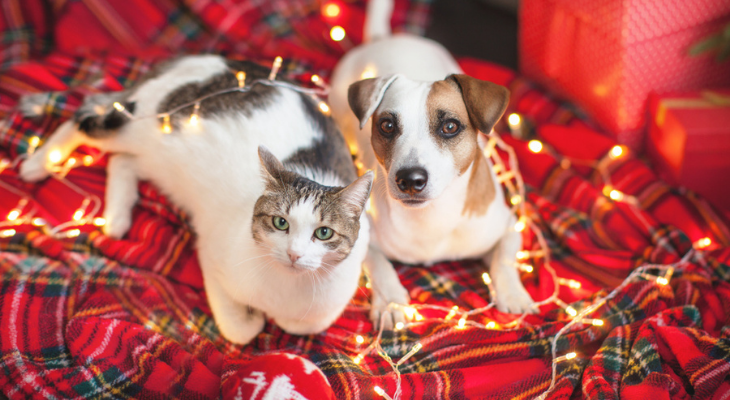
Cat and dog wrapped in Christmas decorations

Keeping Your Pet Safe During the Holidays

Although the holidays may be a magical time for you, your pet might have a very different experience. In fact, our furry friends may be more likely to become sick or injured in their homes during the holiday season. Fortunately, following these tips will help both of you enjoy a peaceful, happy holiday.

Tip #1: Put an Identification Tag on Your Pet

Dogs and cats can slip out the door in an instant. With so many people coming and going during a holiday party, you may not immediately realize that your pet is missing. Unfortunately, by the time you do notice, your dog or cat could have traveled far from your home.

Adding an ID tag to your pet's collar will make it easier for your neighbors to contact you if they find your pet. Microchips, rice-sized identification chips implanted under your pet's skin, offer even more protection, particularly if a lost pet is taken to a veterinary office or animal shelter. Only 15% of dogs and 2% of cats without tags or microchips are ever reunited with their families, according to American Humane.

Tip #2: Use Battery-Operated Flameless Candles

Lit candles add a little ambiance to your home during the holidays but may not be the best choice if you have pets or small children. Your pet could burn itself on the flame or knock over the candle, causing a fire. Flameless candles flicker just like real candles but are a much safer option.

Tip #3: Think About Christmas Tree Safety

Does your pet enjoy chewing on holiday light cords? Unfortunately, that habit could shock or burn your dog, cat, rabbit, or small animal. Put lights on the upper part of the tree only if your furry friend is a chewer. Wrap cords in cord protectors for additional protection.

Cuts caused by broken ornaments are a definite possibility if your dog or cat enjoys batting at ornaments on the tree. Solve the problem by leaving the bottom half of the tree undecorated or putting your decorated tree behind a baby gate. Reduce the risk of cuts by only using unbreakable ornaments. The ornaments are often just as attractive as fragile glass decorations but won't shatter if they fall off the tree.

Although a cat or dog atop a toppling Christmas tree makes a funny video for social media, falls can be dangerous for pets. Anchoring your tree to the wall with wires and screws will prevent disaster if your pet can't resist climbing your tree.

Tip #4: Keep Tinsel and Wrapping Materials Away from Pets

Tinsel and ribbon can wrap around your pet's intestines or cause a blockage if swallowed. It's best to skip the tinsel if you have a pet. Be sure to put holiday paper, ribbon, twine, and other materials away as soon as you finish your gift wrapping session.

Tip #5: Create a Safe Haven for Your Pet

Even the friendliest pet can become a little overwhelmed by a noisy holiday party. Your dog or cat may enjoy the gathering much more if you put its bed, food, and water in a quiet room far from the action.

Tip #6: Keep These Foods and Plants Out of Your Pet's Reach

Some holiday foods and plants could cause illness or even death if eaten by pets. Keep these things away from your pet:

  • Chocolate
  • Onions
  • Garlic
  • Yeast
  • Grapes
  • Raisins
  • Bones
  • Raw eggs
  • Nuts
  • Apple seeds
  • Holly
  • Mistletoe
  • Lily
  • Amaryllis
  • Christmas cactus
  • Alcoholic beverages
  • Cherry or peach pits
  • Candy and foods sweetened with xylitol

Contrary to popular belief, poinsettias are only mildly toxic to dogs and cats and may only cause diarrhea and vomiting, according to the Pet Poison Helpline.

Tip #7: Don't Let Your Pet Drink Christmas Tree Water

Water is just as tasty whether it's in a pet bowl or your Christmas tree holder as far as your pet is concerned. Unfortunately, drinking the water could sicken your dog or cat. The ASPCA notes that fertilizers from the tree might contaminate the water or bacteria could form in the stagnant water. Tape aluminum foil over the top of the holder to stop your pet from sipping the water.

Holiday mishaps can happen even if you're extremely careful. If your pet becomes sick or injured this holiday season, we can help your furry friend feel much better. Contact our office to schedule an appointment for your pet.

Sources:

American Humane: Every Day Is Tag Day - Is Your Pet Protected, 4/1/19

Pet Poison Helpline: Poinsettia

Humane Society of the United States: Holiday Safety Tips for Pets

ASPCA: Holiday Safety Tips

American Veterinary Medical Association: 7 Ways to Make the Holidays Safer for Pets

  • Pet Health
    • Chronic Conditions
    • Digestive and Oral Health
    • Diseases and Viruses
    • Pests and Parasites
    • Orthopedics
  • Today's Veterinarian
  • Choosing Your Pet
    • Finding Your Pet
    • Cats
    • Dogs
    • Exotics
      • Amphibians
      • Birds
      • Reptiles
        • Lizards
        • Turtles
    • Small Mammals
      • Ferrets
      • Rabbits
      • Domesticated Animals
        • Prairie Dogs
      • Pocket Pets
        • Chinchillas
        • Guinea Pigs
        • Hamsters
        • Hedgehogs
        • Rats
    • Livestock
      • Cows
      • Donkeys, Horses & Mules
      • Goats
      • Pigs
      • Poultry
      • Sheep
  • Living With Your Pet
    • Bringing Your Pet Home
    • Children and Pets
    • Providing Care
    • Travel
    • Saying Goodbye
  • Newsletter Library
    • Cats
    • Tips for Pet Owners
    • Behavior & Training
    • Fleas & Parasites
    • Keeping Pets Healthy
    • Recognizing Illness
    • Nutrition & Food
    • Pet Dangers
    • Seasonal Topics
    • Visiting the Vet
    • Equine
    • Newsletter Archive
      • Fun with Pets
      • Unbelievable Pets
  • Video Newsroom
    • Health Topics
    • Technology and Science
    • Other Interests
  • Newsletter Library
  • Client Survey
  • Pets4Kids

Contact Us

We look forward to hearing from you

Error!

    • Services

      We strive to provide complete care for our patients. Learn more about all the services we provide.
      Learn More
    • Make An Appointment

      We will do our best to accommodate your busy schedule. Schedule an appointment today!
      Schedule Now
    • Online Forms

      Our patient forms are available online so they can be completed in the convenience of your own home or office.
      Learn More

    Office Hours

    Our Regular Schedule

    Monday:

    7:30 am-5:00 pm

    Tuesday:

    7:30 am-5:00 pm

    Wednesday:

    7:30 am-5:00 pm

    Thursday:

    7:30 am-5:00 pm

    Friday:

    7:30 am-5:00 pm

    Saturday:

    8:00 am-12:00 pm

    Sunday:

    Closed

    Location

    Find us on the map

    Testimonials

    Read What Our Clients Say

    • "Wow! Thanks to all the staff at Huntsville Pet Clinic. I feel like you all truly love what you do! My kitty, Lola and I always have such a pleasant experience when we come in. Fortunately, it’s usually just for a check-up, but I would not leave Lola in anyone else’s hands but yours. Thank you for your caring commitment!"
      Maya S.
    • "I have benefited tremendously from the care my pet received from Dr. DuVall."
      John D.

    Featured Articles

    • March Newsletter: How to Keep Your Cat Safe When Outdoors

      Wondering how your cat can safely spend time outdoors? ...

      Read More
    • March Newsletter: How to Choose Safe Blankets for Pets

      Do you know how to pick a safe blanket for your pet? ...

      Read More
    • February Newsletter: How to Reduce Dental Anxiety in Pets

      Does your pet hate toothbrushing? These tips could reduce dental anxiety. ...

      Read More
    • February Newsletter: How to Safely Change Your Cat’s Food

      Buying a new food for your cat? Find out how to switch foods safely. ...

      Read More
    • January Newsletter: Signs Your Pet Needs a Wellness Exam

      Does your pet need a wellness exam? ...

      Read More
    • January Newsletter: How Your Veterinarian Can Help If Your Pet Ingests Something Toxic

      Has your pet eaten something it shouldn't have? Find out how your vet can help. ...

      Read More
    • December Newsletter: Signs Your Pet Needs a Professional Cleaning

      Do you know when your pet needs a professional cleaning? ...

      Read More
    • December Newsletter: Simple Ways to Keep Your Home Flea-Free for Your Pet’s Well-being

      Never want to see another flea again? Try these tips for a flea-free home. ...

      Read More
    • November Newsletter: The Importance of Bloodwork for Your Pet’s Health

      Wondering if your pet really needs bloodwork? Find out the benefits of blood tests for your furry friend. ...

      Read More
    • November Newsletter: Turkey Day Tips for Pet Owners

      Don't forget about your pet when making Turkey Day preparations. ...

      Read More

    Newsletter Signup

    Sign up for more articles

    Error!

      • Copyright © 2026 MH Sub I, LLC dba iMatrix.
      • Admin Log In